
SIMULATION IN HOMECARE AND TELEHOMECARE
At Friends & Allies Homecare Services, we believe that high‑quality homecare starts with high‑quality training. Simulation is a powerful way to prepare caregivers, nurses, and telehomecare teams to deliver safe, competent, and compassionate care — even in the most complex or fast‑changing situations.Homecare is not a “low‑stakes” setting; it is where real people manage real conditions — chronic illness, post‑hospital recovery, mobility challenges, cognitive changes, and emotional stress. Simulation allows us to rehearse these scenarios in a controlled environment before we ever step into a client’s home. This includes practicing personal support, medication prompts, fall‑prevention strategies, emergency recognition, and communicating with clients, families, and remote healthcare teams.
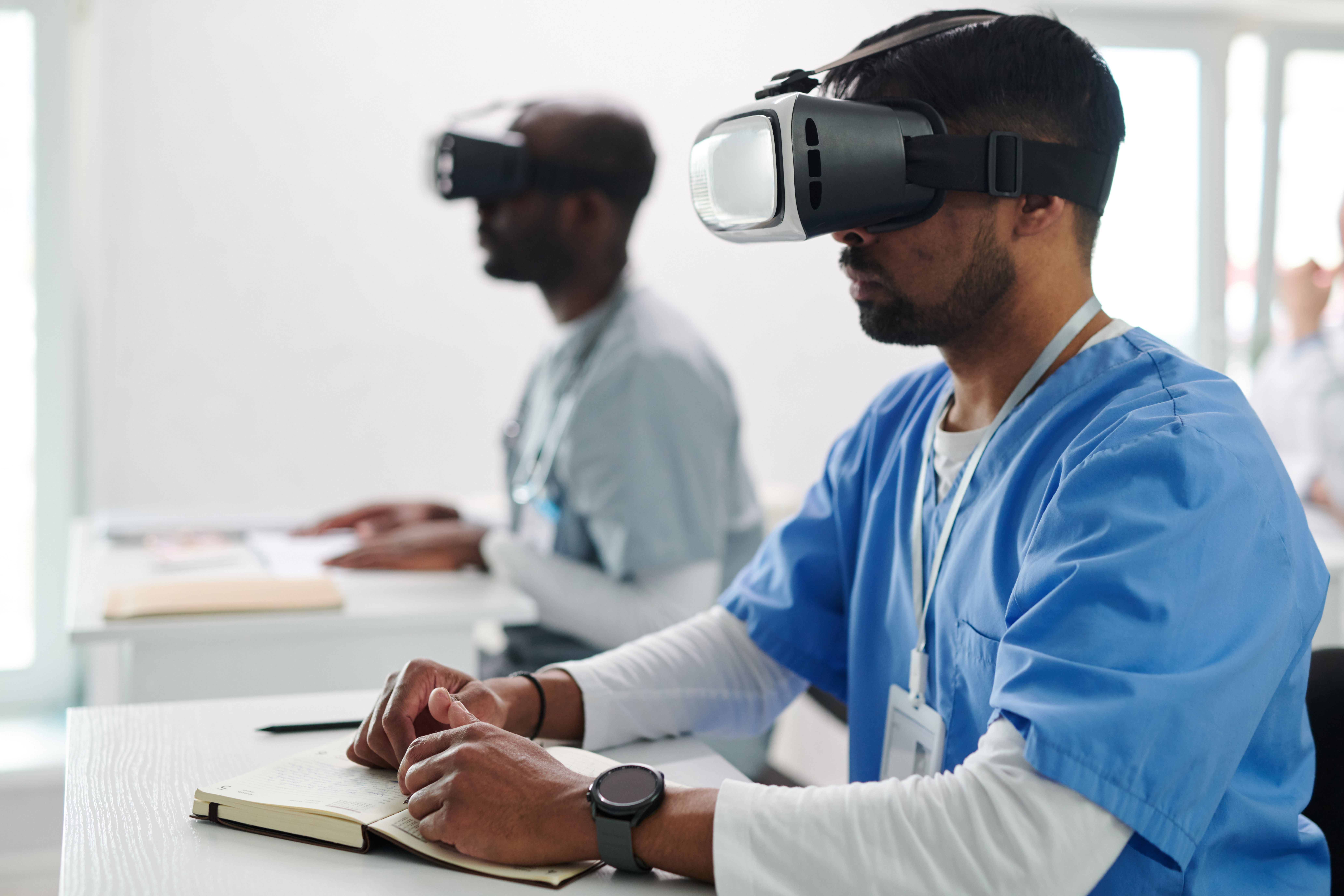
Telehomecare adds another layer: much of the support may be delivered by phone, video, or digital platforms. Simulation in telehomecare means practicing virtual assessments, remote coaching, and crisis‑management conversations — all while maintaining empathy, clarity, and cultural sensitivity. Through realistic role‑plays and scenario‑based training, our teams learn how to spot early warning signs, ask the right questions, and intervene appropriately — whether the client is in the same room or miles away.By integrating simulation into our training model, Friends & Allies Homecare Services aims to build confident, competent, and consistent caregivers who can respond quickly, safely, and compassionately in homecare and telehomecare settings. This is not just about “checking boxes” — it is about creating a culture of learning, safety, and continuous improvement for the people we serve and the people who care for them.